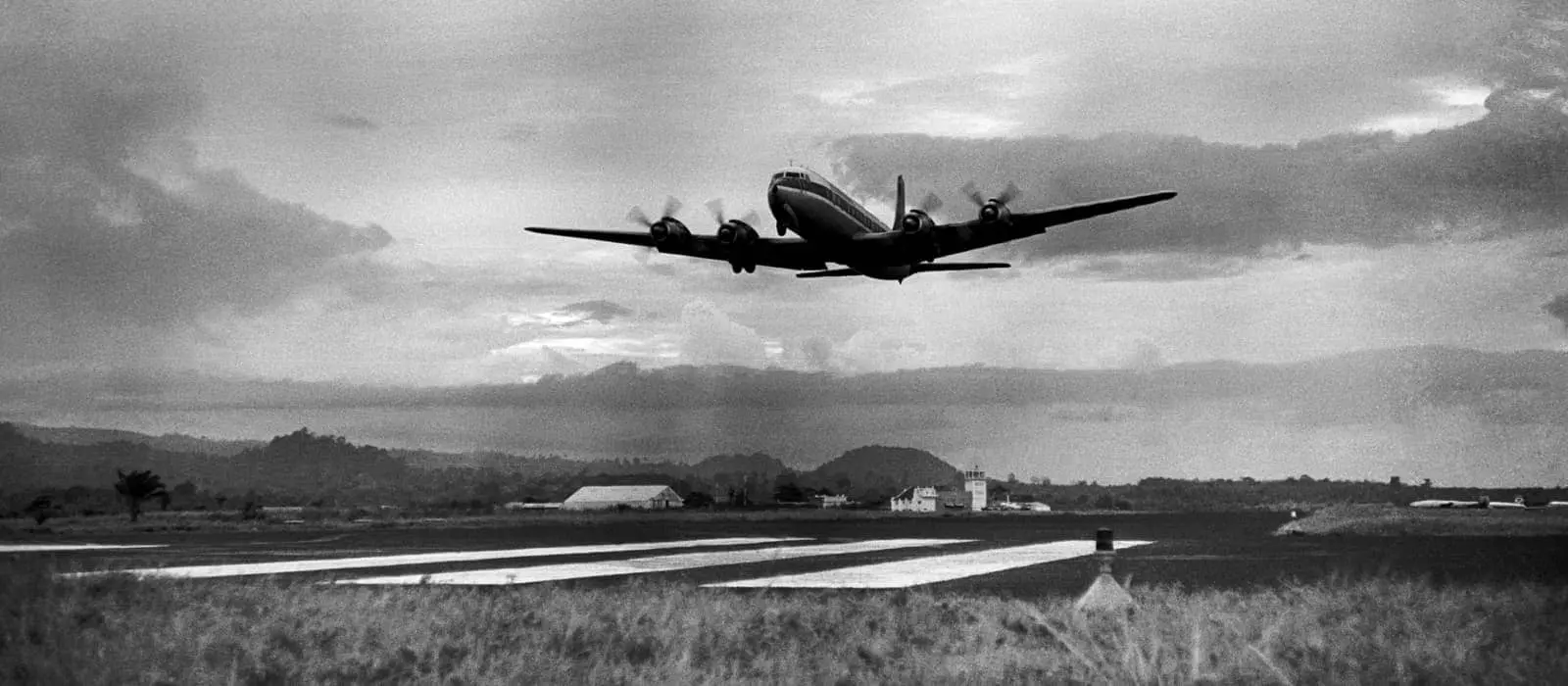
During the Nigerian Civil War, the breakaway state of Biafra developed an improvised air capability sometimes referred to informally as the “Biafran Air Force.” This was not a conventional air force with large fleets of military aircraft. Instead, it consisted of a small number of modified civilian aircraft, light planes, and improvised combat platforms used for reconnaissance, transport, and occasional attacks.
Because Biafra was under a strict international blockade, obtaining military aircraft and spare parts was extremely difficult. As a result, Biafran engineers, technicians, and foreign volunteers had to adapt available aircraft and invent creative solutions to keep aircraft flying.
Origins of the Biafran Air Program
At the beginning of the war in 1967, Biafra inherited very few aircraft and had limited aviation infrastructure. Meanwhile, the Nigerian federal government possessed a much stronger air capability supplied partly by foreign allies.
To compensate for this imbalance, Biafran leaders relied on:
- civilian aircraft used for transport
- humanitarian relief flights
- improvised combat modifications
One of the most important aviation facilities during the war was the Uli Airstrip, a secret airstrip located in southeastern Nigeria. Uli served as the primary airport for relief flights bringing food and medical supplies into Biafra at night.
Improvised Combat Aircraft
Some civilian aircraft were modified to perform combat roles.
Bomb-Carrying Light Aircraft
Small propeller aircraft were adapted to carry improvised bombs. These bombs were often dropped manually or using simple release mechanisms.
Reconnaissance Aircraft
Light planes were used to monitor troop movements and gather intelligence.
Transport and Supply Aircraft
Aircraft also transported:
- ammunition
- medical supplies
- humanitarian aid
- military personnel
These operations were essential for sustaining Biafra during the blockade.

The “Biafran Babies” Aircraft
One of the most famous aspects of the Biafran aviation effort involved a series of small aircraft sometimes nicknamed the “Biafran Babies.”
These aircraft were:
- small
- lightly armed
- capable of flying short missions
Despite their limitations, they were used to conduct surprise attacks on Nigerian military targets.
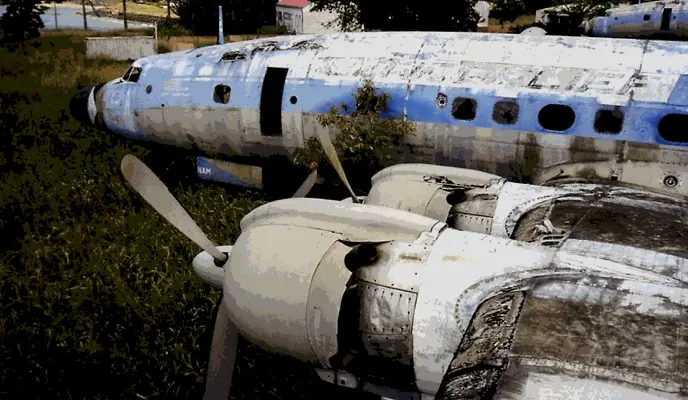
The aircraft were often flown by foreign volunteer pilots who supported Biafra.
Foreign Pilots and Volunteers
Several foreign pilots played important roles in the Biafran aviation effort.
One of the most famous was:
- Carl Gustaf von Rosen
Von Rosen organized a group of volunteer pilots who flew small Swedish-built aircraft in support of Biafra.
These aircraft were:
- MFI-9B aircraft
They were modified to carry rockets and were used to attack Nigerian military airfields in surprise raids in 1969.
The aircraft became famous because they were small, fast, and difficult to detect.
Rocket Attacks on Nigerian Airfields
In May 1969, von Rosen and his team launched several attacks against Nigerian air bases using modified MFI-9B aircraft equipped with rockets.
Targets reportedly included Nigerian military installations such as:
- Port Harcourt
- Enugu
- Benin City airfields
These attacks demonstrated how small aircraft could be used effectively in unconventional warfare.
Engineering Challenges
Operating aircraft under wartime conditions posed enormous technical difficulties.
Biafran engineers faced challenges including:
Lack of Spare Parts
Aircraft had to be repaired using improvised components.
Fuel Shortages
Fuel produced by the Biafran mini-refineries helped power aircraft and generators.
Limited Runways
Uli Airstrip was essentially a converted road used as a runway, making takeoffs and landings risky.
Constant Air Attacks
Nigerian aircraft frequently targeted Biafran air facilities.
Despite these obstacles, engineers and technicians managed to keep aircraft operational for several years.
Humanitarian Airlift
Perhaps the most significant role of Biafran aviation was the humanitarian airlift into Biafra.
International organizations and church groups conducted night flights delivering:
- food
- medicine
- relief supplies
These flights helped alleviate the famine that developed during the war.
The Biafran airstrip at Uli became one of the busiest night airlift operations in the world at the time.
Historical Significance
The Biafran aircraft program illustrates how a region with limited resources attempted to develop aviation capability during wartime.
Although the aircraft were few and lightly armed, they demonstrated:
- improvisation in military engineering
- creative adaptation of civilian technology
- collaboration between local engineers and foreign volunteers
The story remains one of the most unusual aviation episodes in African military history.
Legacy
After the war ended in January 1970, the Biafran aviation effort ended and most aircraft were either destroyed, captured, or dismantled.
However, the innovations developed during the war—such as improvised weapons, mini-refineries, and modified aircraft—remain an important part of Nigeria’s technological and wartime history.

Views: 31